
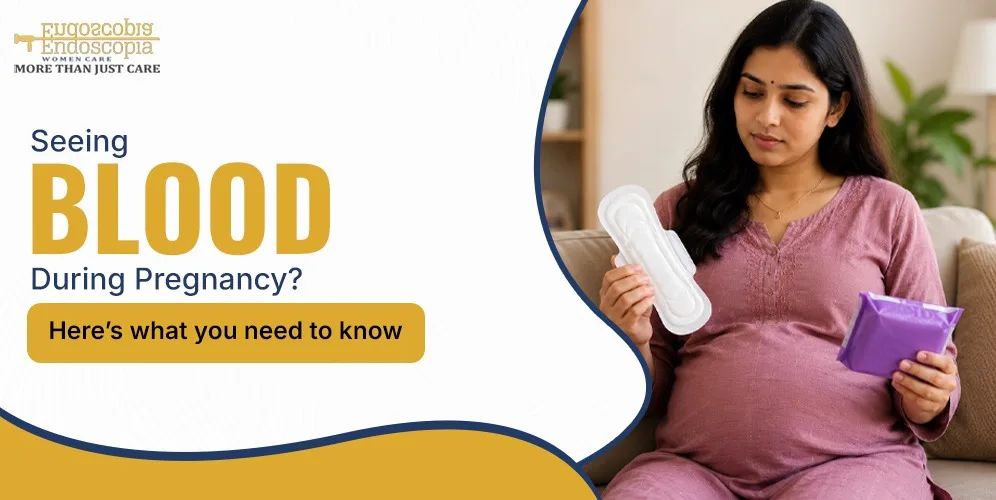
Bleeding during pregnancy can be distressing, but it is not always associated with a serious problem. Light spotting in the early stages of pregnancy is quite common. However, if bleeding is heavy or accompanied by severe pain, dizziness, fever, or the passage of blood clots, immediate medical attention is required. As experienced gynecologists such as Dr. Pankhuri Gautam – best gynecologist in Jaipur emphasize, understanding whether spotting is normal or a sign of abnormal vaginal bleeding during pregnancy can help protect both the mother and her unborn child.
How Common Is Bleeding During Pregnancy?
A. Can Bleeding During Pregnancy Be Normal?
Yes. Spotting is a common occurrence during pregnancy, especially in the first few weeks. Bleeding can be caused by the implantation, changes in the cervix, or slight irritation.
B. Statistics Every Expecting Mother Should Know
About 20-30% of women get bleeding at some point during their pregnancy. Luckily, many of these pregnancies are normal with healthy delivery.
C. Why Some Women Bleed and Others Don’t?
Bleeding during pregnancy can be due to a variety of causes. This can be due to hormonal fluctuation, sensitivity in the cervix, implantation issues, infection, and conditions of the placenta. No two pregnancies are the same and that is why some women bleed and others don’t.
Spotting vs Bleeding During Pregnancy – Understanding the Difference
| Feature | Spotting | Bleeding |
| Amount | Few drops | More flow |
| Color | Pink/Brown | Bright Red |
| Duration | Short-term | May continue |
| Need for Pad | Usually No | Often Yes |
| Medical Concern | Often Low | Requires Evaluation |
A. When Spotting Is Usually Harmless
Bleeding that is light pink or brown and without pain can be a sign of either implant or cervical change.
B. When Bleeding Requires Immediate Attention
If there is any vaginal bleeding that is bright red and accompanied by pain, clots or dizziness, it should always be evaluated by a healthcare professional.
Blood Color Guide During Pregnancy
| Blood Color | Possible Meaning | Urgency Level |
| Pink | Mild irritation or implantation | Low |
| Brown | Older blood leaving the body | Usually Low |
| Bright Red | Active bleeding | Moderate to High |
| Dark Red | Ongoing bleeding | Moderate |
| Blood Clots | Possible pregnancy complication | High |
Bright red blood, which is a sign of active bleeding, is a sign to watch carefully, while brown blood is a sign of old blood.
Bleeding During Pregnancy by Trimester
A. First Trimester Bleeding (Weeks 1–12)
Common causes include:
Implantation Bleeding
It is associated with the growth of the embryo on the uterine lining.
Cervical Changes
Increased blood flow can make the cervix bleed easily.
Infection
Spotting can also be caused by a vaginal or cervical infection.
Subchorionic Hematoma
Pool of blood around the pregnancy sac.
Ectopic Pregnancy
Medical condition in which the pregnancy grows outside the uterus.
Miscarriage
A possible cause of early pregnancy bleeding.
Case Example: A 28-year-old woman presented with brown spotting at six weeks gestation, but no cramps. It was confirmed by ultrasound that the pregnancy was healthy and the spotting stopped after 2 days. This is an indication that some bleeding during the first trimester does not imply a pregnancy loss.
B. Second Trimester Bleeding (Weeks 13–27)
Some common causes are cervical irritation, cervical polyp, infection and abnormal placentation.
A woman had mild post-coital bleeding at 20 weeks. On examination, there were no complications and the cervical sensitivity was present. Sometimes there is some bleeding because of the extra blood flow to the cervix.
C. Third Trimester Bleeding (Weeks 28–40)
Common causes include:
Placenta Previa
A portion or all of the cervix is covered by the placenta.
Placental Abruption
The placenta detaches from the uterus before the birth.
Labor-Related Changes
Cervical dilation may cause light bleeding.
Bloody Show Before Delivery
This is an indicator that labor could be at any moment.
A woman, age 34, started to bleed heavily and had bright red blood. Evaluation showed there was a placenta previa and timely medical treatment allowed for a safe delivery. Bleeding in the third trimester is always serious and should not be overlooked.
Week-by-Week Pregnancy Bleeding Guide
| Pregnancy Week | Possible Cause | Doctor Visit Needed? |
| 4–5 Weeks | Implantation | Usually No |
| 6–8 Weeks | Cervical changes, hematoma | Sometimes |
| 9–12 Weeks | Miscarriage risk, infection | Yes |
| 13–20 Weeks | Cervical irritation | Yes |
| 21–27 Weeks | Placental concerns | Yes |
| 28–40 Weeks | Placenta previa, labor | Immediate Evaluation |
10 Common Causes of Bleeding During Pregnancy
- Implantation bleeding
- Cervical changes
- Vaginal infections
- Sexual intercourse
- Subchorionic hematoma
- Miscarriage
- Ectopic pregnancy
- Placenta previa
- Placental abruption
- Premature labor
These are some of the most frequently encountered pregnancy bleeding problems that obstetricians encounter.
Bleeding Without Pain vs Bleeding With Pain
| Symptoms | Possible Cause |
| Bleeding without pain | Cervical changes, placenta previa |
| Bleeding with cramps | Miscarriage |
| Bleeding with shoulder pain | Ectopic pregnancy |
| Bleeding with contractions | Labor |
When Should You Be Concerned About Bleeding During Pregnancy?
Seek urgent care if bleeding is accompanied by:
- Heavy blood loss
- Severe abdominal pain
- Dizziness
- Fainting
- Fever
- Passing clots
- Reduced fetal movement
Any of these warning signs could be a sign of a serious pregnancy problem.
What Should You Do If You Notice Bleeding During Pregnancy?
- Stay calm.
- Determine the quantity and color of blood loss.
- Keep watching for signs or symptoms of pain or fever.
- Speak to your health care professional.
- If symptoms worsen, seek emergency care.
What Happens During a Doctor’s Evaluation?
Medical History
Answers to questions regarding bleeding, pain and pregnancy progress.
Physical Examination
Inspection of the cervix and reproductive organs.
Ultrasound Examination
Assessment of fetal growth and fetal lie.
Blood Tests
Hormone level and blood count measurement.
Fetal Monitoring
Evaluation of the well-being of the baby after the 28th week of pregnancy.
How Bleeding During Pregnancy Is Diagnosed
| Test | Purpose |
| Ultrasound | Check fetus and placenta |
| Blood Test | Hormone levels |
| Pelvic Exam | Cervical assessment |
| Fetal Monitoring | Baby’s wellbeing |
Treatment Options Based on the Cause
| Cause | Possible Treatment |
| Implantation bleeding | Observation |
| Infection | Medication |
| Placenta previa | Monitoring |
| Placental abruption | Emergency care |
| Miscarriage | Medical management |
Myths vs Facts About Bleeding During Pregnancy
| Myth | Fact |
| All bleeding means miscarriage | False |
| Brown blood is always dangerous | False |
| Healthy pregnancies never bleed | False |
| Spotting after intercourse is abnormal | Not always |
Expert Insights from Obstetricians
First trimester bleeding is seen commonly by gynecologists and is often due to the implantation bleeding, cervical changes and small hematomas. In the later stages of pregnancy, the conditions of the placenta are more significant. Early assessment helps to ensure a good outcome and minimize complications. An expert medical professional, like gynecologist or your obstetrician, can offer reassurance and prompt treatment.
Frequently Asked Questions :
Q1. Is bleeding during pregnancy always a miscarriage?
No. A large number of women have bleeding and carry on with their pregnancies.
Q2. Can intercourse cause spotting?
Yes, due to increased cervical blood flow.
Q3. Is implantation bleeding heavy?
Usually no. It’s usually the light spotting.
Q4. Can IVF pregnancies experience bleeding?
Bleeding is possible during some IVF pregnancies.
Q5. When should I go to the hospital?
If the bleeding is heavy or if the baby is moving less, doesn’t respond, faints, or if there is pain, fever, go to the doctor’s office right away.
Key Takeaways
- It is possible to spot light during pregnancy.
- Not all miscarriages bleed.
- The causes vary among the trimesters.
- Heavy bleeding requires immediate medical attention.
- Good early medical assessment leads to better outcomes for mum and baby.
When to Consult a Gynecologist
If you notice any bleeding during pregnancy without any known cause, please consult your gynecologist. Many of them are of no serious concern, but it is best to get a professional opinion. Early diagnosis is key to the detection of potential serious health issues, and provides the best care for the mother and baby.