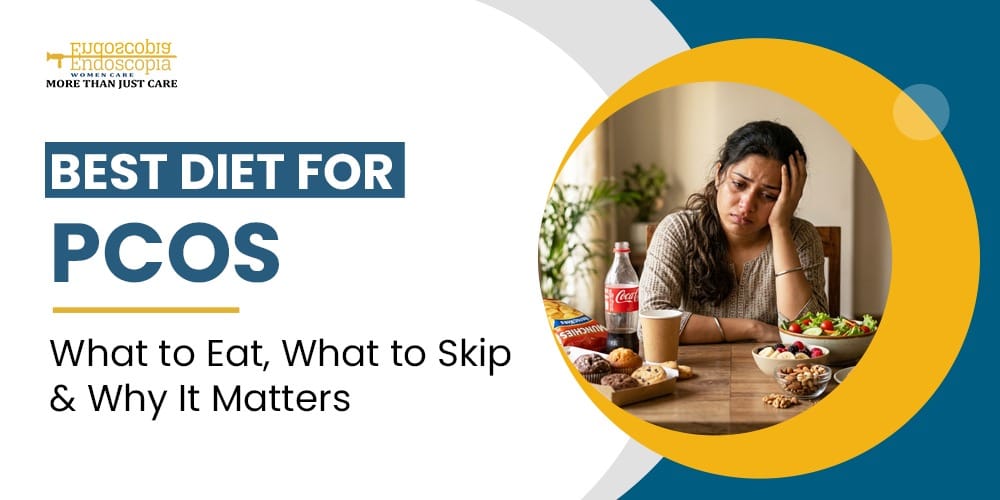

PCOS affects almost one out of ten women; still, many of them have difficulties finding an effective way to eat properly. Some days you may read that the carbohydrates are considered bad; other days dairy products will be guilty of all problems. In between, you want to get rid of the insatiable appetite, excessive fluid retention, fatigue, and uncontrollable weight gain. Sound familiar?
However, an optimal diet for PCOS shouldn’t deprive you of delicious meals or limit you to some strange restrictions. It should only provide you with the necessary nutrients that would help your hormonal balance and stabilize blood sugar. And yes, PCOS diet and weight loss regime may include tasty foods and some room for adjustment.
If you suffer from PCOS symptoms such as uncontrollable hunger, frequent tiredness, menstrual cycle issues, acne or inability to lose weight even though you’ve done everything you could to do so, you’re not alone. Conflicting information from various sources makes healthy eating extremely challenging.
We’ll keep it simple. Discover foods that support hormone balance, what to eliminate from your meals, realistic advice for losing weight, and an easy-to-follow 7-day meal plan you can stick to.
A. Why Diet Matters More Than Medication for PCOS
Why What You Eat Directly Affects Your PCOS Symptoms
If you have ever felt like you’re fighting against yourself due to uncontrollable cravings, rapid weight gain, tiredness, acne, or irregular menstrual cycles, don’t blame yourself for “weak willpower.” Some individuals suffering from PCOS may develop a condition known as insulin resistance. Due to this, the body fails to use insulin correctly, producing additional amounts of this hormone. This increase in insulin levels can lead to elevated male hormone production. Such imbalances in hormones might worsen your PCOS symptoms.
That is why the optimal diet for PCOS aims at stabilizing blood sugar levels rather than forcing you to lose weight through severe calorie restriction. Processed carbs, sugar, and foods with a high glycemic index rapidly increase insulin levels, while protein, fiber, and healthy fats regulate it. In other words, think of insulin as the volume button. The louder it is, the more noticeable PCOS hormones become.
A healthy diet in PCOS can be used to cope with the symptoms, restore the energy level, and maintain healthy body weight. Please discuss all diet plans with your physician or an expert nutritionist prior to making any drastic changes.
B. The PCOS Diet Plate – What to Eat & Why
PCOS-Friendly Foods: What to Eat and What to Avoid
While planning a PCOS-friendly diet, the importance of excluding certain foods cannot be overlooked. Highly processed foods are known to promote inflammation, insulin resistance, fatigue, sugar cravings, breakouts, and unwanted weight gain. The key to a nutritious diet when dealing with PCOS lies in consistency, not perfection.
The following foods are recommended to be consumed in moderation:
- Refined sugar
- Soft drinks and juices
- White rice and pasta
- Packaged snacks
- Deep-fried food items
- Trans fats
Such foods have an exceptionally high glycemic index and are digested rapidly. Continuous fluctuations of blood glucose levels result in constant fatigue, excessive hunger, and the need to consume more calories than necessary.
Try incorporating anti-inflammatory foods such as spinach, turmeric, berries, walnuts, and salmon into your daily meals.
The general strategy for a PCOS diet and PCOD diet plan is fairly consistent since both these medical disorders have strong links with hormonal imbalance and problems related to insulin.
C. 7-Day PCOS Diet Chart: A Done-For-You Meal Plan
Sample Diet Chart for PCOS Patients (Free 7-Day Plan)
PCOS diet chart must be realistic, healthy, and not hard to follow during hectic days. People with PCOS have difficulties after being on diets which are too strict and end up leaving them feeling fatigued, starving and upset. Rather than adopting an all-or-nothing kind of diet, the strategy involves eating balanced proportions of proteins, fibers, fats, and complex carbs. The reason for this approach is to keep your blood sugar in check, lower cravings, and make a PCOS diet chart for weight loss easier to adhere to.
| Day | Breakfast | Lunch | Dinner | Snacks |
| Monday | Idli with sambar | Vegetable khichdi with salad | Paneer grill with grilled vegetables | Coconut water or roasted nuts |
| Tuesday | Smoothie bowl with seeds | Chicken or tofu wrap with salad | Dal soup with roti | Almonds |
| Wednesday | Besan chilla with mint chutney | Brown rice with fish curry or rajma | Tofu stir-fry | Yogurt with chia seeds |
| Thursday | Avocado toast | Millet pulao | Grilled chicken or paneer bowl | Fruits with peanut butter |
| Friday | Oat pancakes | Millet pulao | Mixed vegetable soup | Fruits with peanut butter |
| Saturday | Poha with peanuts | Dal with brown rice | Grilled vegetables with tofu | Roasted makhana |
| Sunday | Upma with vegetables | Paneer salad bowl | Sweet potatoes | Herbal tea with nuts |
The above diet chart for PCOS weight loss diet will yield better results when combined with small changes in lifestyle practices that help balance hormones. Having ample water, sleeping regularly, managing stress, and working out on a consistent basis helps a lot in maintaining good health. A small amount of walking after each meal may help maintain blood glucose levels.
One thing that I find really great about creating an effective PCOS diet is that you can modify it according to your preferences. For vegetarians, for example, lentils, beans, tofu, and paneer are excellent substitutes for meat products. Also, you can go dairy-free if you like; almond yogurt or coconut milk will do just fine. What else? You don’t need fancy superfoods – sometimes a homemade dish can make wonders too.
D. PCOS + Thyroid: When Your Diet Needs to Do Double Duty
Diet for PCOS and Thyroid: What Changes and What Stays the Same
It is understandable how frustrating it is to have two problems at once, namely polycystic ovarian syndrome and thyroid disorders (hypoactive thyroid gland). Tiredness, extra weight gain, brain fog, and sluggish metabolism all can contribute to your suffering. But there is a silver lining: a number of concepts that work when you create an effective PCOS diet work equally well for thyroid disease.
Some nutrients gain special importance due to their contribution to proper thyroid function. For example, the consumption of selenium-enriched foods such as Brazil nuts, eggs, sunflower seeds, and fish might contribute positively to thyroid health. Iodized salt and legumes, nuts, and dairy products are valuable sources of iodine and zinc that contribute to optimal hormone production.
The issue of goitrogens contained in broccoli and other vegetables may concern you too. There is no need to exclude these foods entirely from your meals because cooking decreases their impact considerably. Always test your thyroid levels and speak with your physician before adopting any drastic dietary changes.
E. PCOS Weight Loss: Diet Tips That Actually Work
PCOS Weight Loss Diet: Why Eating Less Isn’t the Answer
Losing weight with PCOS can be a challenging experience for you. Insulin resistance leads to an increased propensity for fat storage in addition to triggering appetite. You might have already felt disappointed at some point during your efforts to lose weight. However, remember that this experience should not be regarded as a failure in willpower.
A good start would be to follow a moderate calorie deficit rather than starving oneself to death. Starvation diets increase stress hormones, worsen cravings, and may contribute to making the condition more difficult to handle. Consuming some proteins at each meal (eggs, greek yogurt, tofu, chicken, beans) will help regulate your glucose levels and maintain satiety.
It will also be important to pay attention to meal frequency, with breakfast and lunch being the recommended choices as compared to the body’s cortisol fluctuations. Missing meals is not recommended, as it results in glucose drops and increased cravings. Small things like going for a brief 10 minute walk after eating can help reduce glucose levels. Even small weight loss of 5-10 percent can positively impact PCOS symptoms.
F. Best Diet Plan for PCOS: How to Make It Work for You
How to Personalize Your PCOS Diet Plan
The other concern on everyone’s mind is: “How will I adjust my life to accommodate this best diet plan for PCOS?” The positive note is that an ideal PCOS diet can be tailored according to your lifestyle, choices, and financial resources without making things overly complicated.
- Vegetarian PCOS Diet: Stick to vegetarian sources of proteins such as lentils, chickpeas, tofu, paneer, beans, seeds, and Greek yoghurt for satiety and hormonal regulation.
- Lifestyle with less time: Always keep quick meals handy, such as boiled eggs, roasted nuts, fruits, yoghurt, overnight oats, or home-made wraps. Preparing meals for two weeks ahead can help save precious time and minimize unhealthy snacking.
- Affordable PCOS Diet: There is no need to splurge on superfoods for managing PCOS. Simple foods such as oats, seasonal vegetables, brown rice, dal, eggs, peanuts, and curd will serve the same purpose as superfoods.
Flexibility is the key to success.
If you are struggling with PCOS symptoms like irregular periods, hormonal imbalance, weight gain, or fertility concerns, consulting an experienced specialist is important. Dr. Pankhuri Gautam, a trusted Gynecologist in Jaipur, provides personalized care and effective treatment plans to help women manage PCOS and improve their overall reproductive health.