

Women in their 30s are channeling their energy into building a career, a family, perhaps a home, certainly a future. Every day feels like a careful balancing act, and you’re doing it with grace and resilience. But then, sometimes, your body whispers, or even shouts, that something isn’t quite right. It can be PCOS, endometriosis, infertility, or something else. Sometimes, medicine does not work, and surgery is the only option.
Perhaps, surgery means the old way for you, big incisions, days lost in a hospital bed, a long, weary climb back to normalcy. That image can feel crushing when your life is moving at full speed, when your children need you, when your work demands your presence.
But what if I told you there’s a different story? Yes, I am not joking, you can avoid the big incision with Laparoscopic surgery.
Understanding What Exactly is Laparoscopic Surgery?
“What is laparoscopic surgery?” This is the first question you might ask. So, what is it? Instead of a single, large cut, your surgeon works through just a few tiny openings, often no bigger than the size of your little finger.
Through one of these tiny entry points, a special, slender camera-like instrument called a “laparoscope” is gently guided. This camera sends a magnified, crystal-clear, live image of your internal organs onto a large screen in the operating room. These become the surgeon’s incredibly nimble hands, allowing them to perform intricate tasks with astonishing precision, all while watching every detail on the monitor.
Once the delicate work is complete, carbon dioxide gas is carefully released, and those tiny incisions are meticulously closed, often needing just a small stitch or even surgical tape.
Why Laparoscopic Surgery is Safe for You
The question that echoes loudest is always, “Is laparoscopic surgery safe?” For a woman in her 30s, who often carries the weight of so many responsibilities, the answer is a confident and deeply reassuring “Yes.”
- Ovarian Cysts: If discomfort from an ovarian cyst is disrupting your day, laparoscopic surgery can gently and precisely remove it. Crucially, it helps preserve your healthy ovarian tissue, vital for your hormonal balance and future family planning.
- Fibroids: Non-cancerous uterine fibroids can bring heavy periods, pain, or even make conceiving a challenge. For women in their 30s, especially if you envision having children, a laparoscopic myomectomy means these fibroids are carefully removed while your precious uterus is preserved, safeguarding your reproductive future.
- Endometriosis: This often misunderstood condition, where uterine-like tissue grows outside the uterus, can cause debilitating pain and impact fertility. Laparoscopy is the absolute best way to both accurately diagnose endometriosis and meticulously remove those troublesome implants, offering a pathway to significant relief and a pain-free life.
- Ectopic Pregnancy: In this critical situation, where a fertilized egg implants outside the uterus, swift and precise intervention is life-saving. Laparoscopic surgery allows for incredibly safe and often fertility-preserving management of this emergency.
- Fertility Answers: When the dream of conception feels complex, a diagnostic laparoscopy can reveal hidden issues like blocked fallopian tubes or adhesions that might not show up otherwise.
Moving Beyond the Scar with Laparoscopy Surgery
Laparoscopic surgery offers far more than skin-level comfort, such as:
- Less Pain: Fewer, smaller incisions mean significantly less trauma to your body’s delicate tissues. This translates directly into less post-operative pain, reducing your need for strong painkillers and creating a remarkably more comfortable healing experience from day one.
- Swift Recovery: This is often the most profound benefit for busy women. Because your body endures less surgical stress, healing happens at an accelerated pace. Many women comfortably return home on the same day or within 24 hours.
- A Stronger Shield Against Infection: With tiny entry points, your internal organs are exposed for a much shorter duration, and to a much smaller degree.
- Minimizing Blood Loss: That high-definition, magnified view allows your surgeon to work with unparalleled exactness. This meticulous approach means significantly less blood loss during the procedure, often eliminating the need for blood transfusions and promoting a smoother, less taxing recovery.
Your Trusted Guide to Finding the Best Laparoscopic Surgeon
When you’re looking for this vital specialist, consider these qualities that truly define excellence and build confidence:
- A Focus on Your Unique Story: Does the surgeon listen to your specific concerns, your symptoms, and your life goals? A great surgeon will have significant experience with the particular gynaecological issue you are facing and how it impacts your life.
- Clear, Compassionate Communication: A truly exceptional surgeon takes the time to listen, to explain your diagnosis and the proposed procedure in simple, understandable terms, and to patiently address all your questions. You should feel fully informed, respected, and comfortable, knowing you’re part of the decision-making process.
- A Reputation for Care and Outcomes: While not the only factor, subtle inquiries and online patient testimonials can offer valuable insights into a surgeon’s approach, their genuine care for patients, and their consistent positive outcomes.
Understanding Laparoscopic Surgery Cost
The laparoscopic surgery cost is not a fixed figure; it varies across healthcare providers and regions within India.
- The Complexity of Your Procedure: A simple diagnostic exploration will naturally have a different cost profile than a more intricate procedure, such as the extensive removal of deep endometriosis or multiple uterine fibroids.
- The Surgeon’s Expertise: The fees of highly experienced and renowned surgeons, recognized for their exceptional skill and successful outcomes, reflect their specialized expertise and the value they bring to your care.
- Comprehensive Care Beyond the Surgery: Remember to factor in all associated costs: your initial consultations, essential diagnostic tests (like ultrasounds, MRIs, blood work), anaesthesia fees, necessary medications, and crucial post-operative follow-up appointments.
- Length of Hospital Stay: While laparoscopic procedures are celebrated for shorter hospital stays, any unforeseen need for extended care will contribute to the total cost.
Understanding how is laparoscopic surgery done
- Preparation and Gentle Rest: When it’s time for your surgery, you will be given general anaesthesia. This means you will be completely asleep, peaceful, and feel no discomfort throughout the entire procedure.
- The Smallest Beginning: A tiny incision is made, often subtly placed within the natural fold around your belly button. This spot is chosen for its discreet healing and minimal visibility.
- Creating a Clear, Gentle View: A fine needle is then gently inserted to introduce carbon dioxide gas into your abdomen. This safely and temporarily inflates the area, creating a spacious, well-lit environment for the surgeon to see and maneuver.
- The Camera Guides the Way: The laparoscope, with its camera and light, is carefully guided through that first tiny incision. Its powerful feed instantly projects a detailed, illuminated view of your internal anatomy onto the surgical monitors, allowing the surgeon to see everything with incredible clarity.
- Precision Instruments Begin Their Work: Once the surgeon has a crystal-clear visual field, one or two more tiny incisions are made in your lower abdomen. Through these, slender, specialized surgical instruments are introduced, ready for their delicate, precise work.
- The Healing Process Commences: Guided by the clear visuals on the monitor, your surgeon precisely manipulates these instruments to perform the required diagnostic or therapeutic steps – whether it’s gently removing a cyst, carefully excising fibroids, or clearing problematic adhesions. Every move is calculated and delicate.
- A Gentle Close: After the surgical goals are achieved, the instruments are carefully withdrawn, the carbon dioxide gas is released from your abdomen, and the tiny incisions are meticulously closed, often leaving behind minimal traces. Your body then begins its natural, swift healing process.
How You Can Recover After Laparoscopic Surgery
While your surgeon will provide personalized dietary advice, here are general, comforting guidelines for what to eat after laparoscopic surgery:
- Start Simple, Stay Soothing: Immediately after surgery, begin with sips of water, tender coconut water, and light, warm broths. As you feel ready, gradually introduce soft, easily digestible foods.
- Hydration is Your Best Friend: Drinking plenty of water throughout the day is crucial. It supports your body’s vital healing processes, aids digestion, and helps prevent constipation, which can be a common post-surgical discomfort.
- Lean Protein for Inner Repair: Your body is rebuilding and mending, and protein is its essential building block. Incorporate lean protein sources such as boiled chicken or fish, eggs, soft paneer, or easily digestible lentils like well-cooked moong dal.
- Introduce Fiber Mindfully: While fiber is vital for healthy digestion in the long run, introduce it gradually.
- Smaller, More Frequent Meals: Instead of larger, infrequent meals, opt for smaller portions eaten more frequently throughout the day. This is gentler on your recovering digestive system and allows for better nutrient absorption, giving you sustained energy.
Laparoscopic surgery provides a pathway to healing that is not only highly effective but also deeply respectful of your comfort, time, and your inherent desire for a swift, seamless return to your dynamic life.
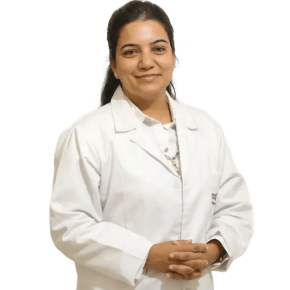
You must carefully choose the best laparoscopic surgeon, a specialist whose expertise aligns with compassionate, personalized care, like Dr. Pankhuri, who will actively support your recovery throughout the journey.