

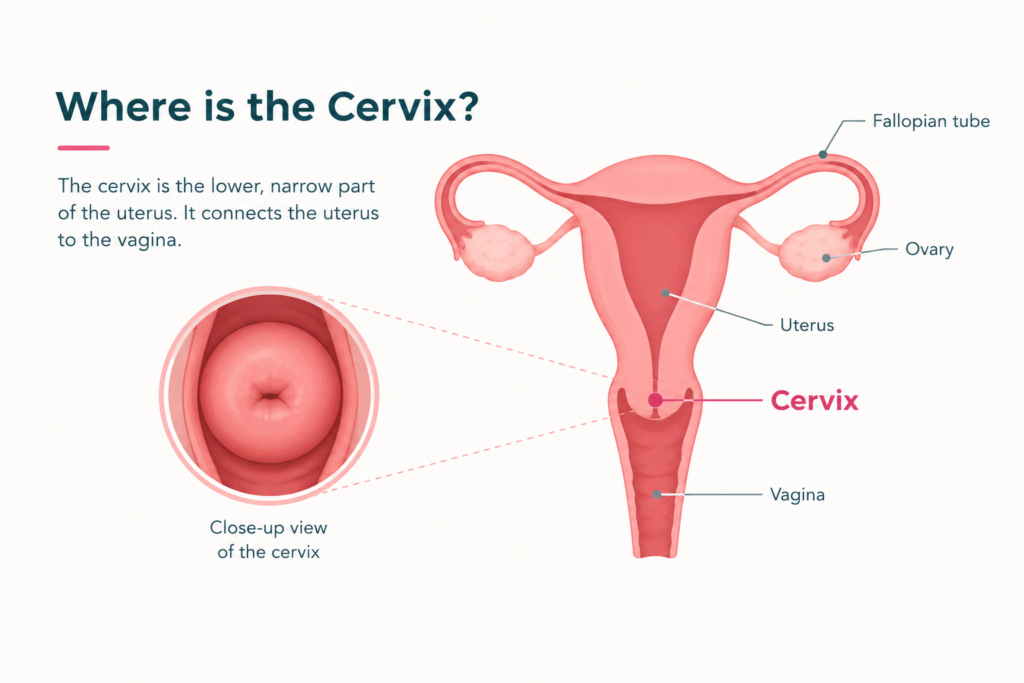
Cervical cancer refers to a condition in which an abnormal tumour forms in the cells of the cervix. The cervix is located at the lower part of the uterus in the female body and connects to the vagina. The early signs of cervical cancer may not be noticeable because women’s reproductive health symptoms overlap with multiple infections or diseases. A common cause of cervical cancer is the persistent infection of the cervical cells with some specific high-risk types of human papillomavirus (HPV).
However, infection with HPV does not mean that a person has cervical cancer. Knowing the symptoms, causes and warning signs, along with the role of screening and vaccination, is important for prevention and timely medical care.
What Is Cervical Cancer?
Cervical cancer is a disease in which cells in the cervix grow out of body control and invade nearby tissues. The cervix refers to the lower, narrow part of the uterus in the female body that connects to the vagina. This cancer typically develops gradually and is often due to persistent infection with high-risk types of Human Papillomavirus (HPV). The HPV infection is not itself a cancer. However, persistent HPV infection may cause abnormal or precancerous changes in the cells of the cervix.
Such bodily changes may resolve on their own. If they persist and progress, the infection can turn into cervical cancer. It is also worth noting that an HPV-positive test result does not mean a woman has cervical cancer. It shows that HPV is detected and requires appropriate medical evaluation.
What Are the Symptoms of Cervical Cancer?
The early stage of cervical cancer does not show noticeable symptoms. You may experience different symptoms such as changes in vaginal discharge, unusual vaginal bleeding or pelvic discomfort. All three of these symptoms can indicate infection or inflammation in the woman’s reproductive system and are not limited to cervical cancer.
Here is a brief look at cervical cancer symptoms and at which condition they may appear:
Unusual vaginal bleeding
Unusual vaginal bleeding can be connected with cervical cancer because the abnormal growth on the cervix makes the tissue fragile and prone to bleeding if irritated. Other reasons include bleeding between periods, bleeding after sexual intercourse, vaginal bleeding after menopause and hormonal changes.
Changes in Vaginal Discharge
A woman may experience that the vaginal discharge is different from what is usual for her. The discharge may be off-white fluid, watery or blood-stained. Changes in vaginal discharge may also happen because of an infection, normal hormonal fluctuations, ovulation or pregnancy.
Pelvic discomfort or pain
Cervical cancer may cause sudden pelvic pain if the tumour grows into nearby tissues or affects the pelvic structure. Because of that, you may experience pain in the lower abdomen, pelvis, lower back and it may spread to the legs. Other causes of pelvic pain are menstrual cramps, ovarian cysts, urinary tract infection (UTI), uterine fibroids and endometriosis.
What Causes Cervical Cancer?
Cervical cancer is primarily caused by persistent high-risk HPV infection, smoking and a weakened immune system. Below is a closer look at the main cervical cancer causes:
- Persistent Infection with High-Risk HPV: Most HPV infections usually get cleared by the body itself. However, some high-risk HPV infections become persistent in the cervix. This occurrence can result in changes in the cervical cells and can lead to cervical cancer.
- Smoking: Cigarettes contain various toxins, which can harm the cervical cells. In addition, these toxins impair the body’s immune response against HPV, resulting in a greater risk of cervical cancer.
- Weak Immune System: A weak immune system can make it difficult for the body to get rid of HPV infection and increase the risk of cervical cancer.
How Is Cervical Cancer Detected?
The screening process involves using testing techniques in order to check for either the presence of the high-risk HPV virus or cell abnormalities in the cervix. In cases of an abnormal result, further testing needs to be carried out.
Screening Tests
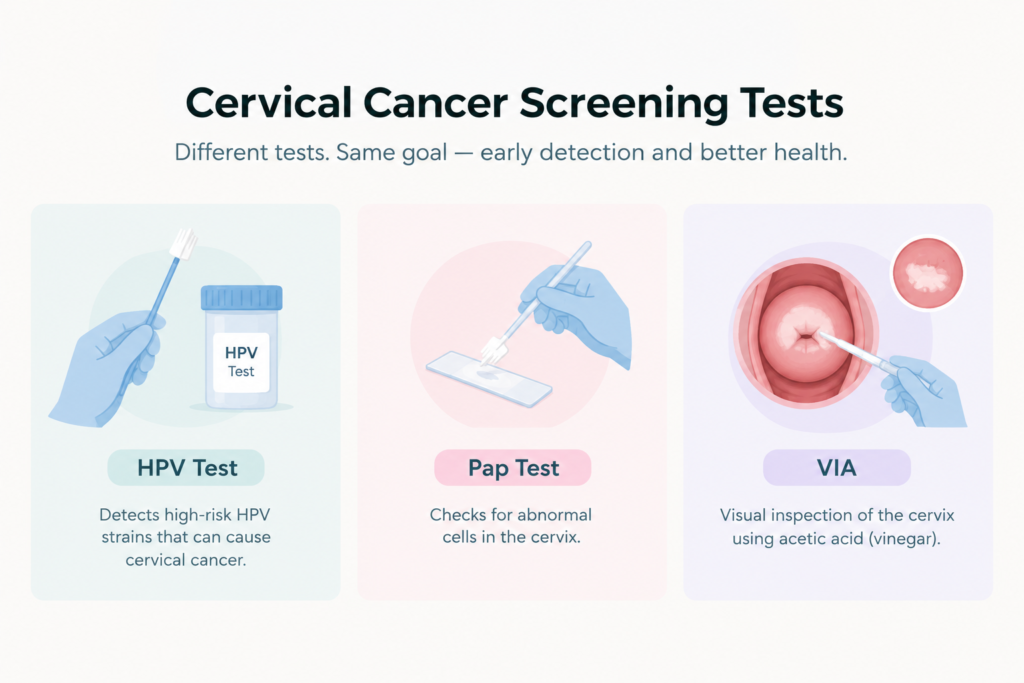
Basically, three screening procedures can be used for the detection of cervical cancer, and they include the following:
- HPV Test: The HPV test helps in finding out whether there is any presence of the high-risk types of the human papillomavirus (HPV). The test results may show the presence of high-risk HPV, but that does not necessarily mean that a person has cervical cancer.
- Pap Test: The Pap test procedure helps in checking whether there are any cell abnormalities in the cells collected from the cervix.
- VIA: VIA or visual inspection with acetic acid, is done by applying dilute acetic acid to the cervix and looking for whitening areas, which could be signs of abnormal cell growth.
What Happens After An Abnormal Result?
An abnormal test result does not mean that one has cervical cancer. The result obtained will determine what is done to find out if there are any abnormal cells present and what they mean.
Some common further tests might be needed to confirm the disease. One such test is colposcopy, which involves the use of magnification to examine the cervix. Another test is biopsy, which is done by taking small samples of tissue from the cervix for testing in the laboratory.
What Are the Treatment Options for Cervical Cancer?
The treatment of cervical cancer depends on the stage of the disease, the location of the tumour, the general state of health and other factors. The specialist usually recommends surgery, radiation therapy, medicines or a combination of these methods for cervical cancer treatment.
Below is a brief look at each treatment option for cervical cancer:
Surgery
Surgery can be considered as the treatment option for certain cervical cancers at an early stage. The types of surgery are conisation, radical trachelectomy, modified radical hysterectomy and radical hysterectomy, while the removal of nearby lymph nodes can also be performed during radical trachelectomy or hysterectomy. Modified radical hysterectomy is indicated for young patients with early-stage cancer to preserve the ability to conceive and child birth.
Radiation Therapy
Radiation therapy involves external-beam radiotherapy (EBRT) and brachytherapy. EBRT aims to deliver high doses of radiation to the pelvis from a machine outside the body, while during brachytherapy, the source of radiation is placed close to the cervix.
Chemotherapy and Other Medicines
Chemotherapy and other medicines can be used in certain cases as well. For example, chemotherapy employs medications that kill cancer cells or stop them from growing. It can be combined with radiotherapy or used alone when the malignancy has appeared elsewhere in the body or returned after initial treatment. The other types of medications can also be considered.
How Can Cervical Cancer Be Prevented?
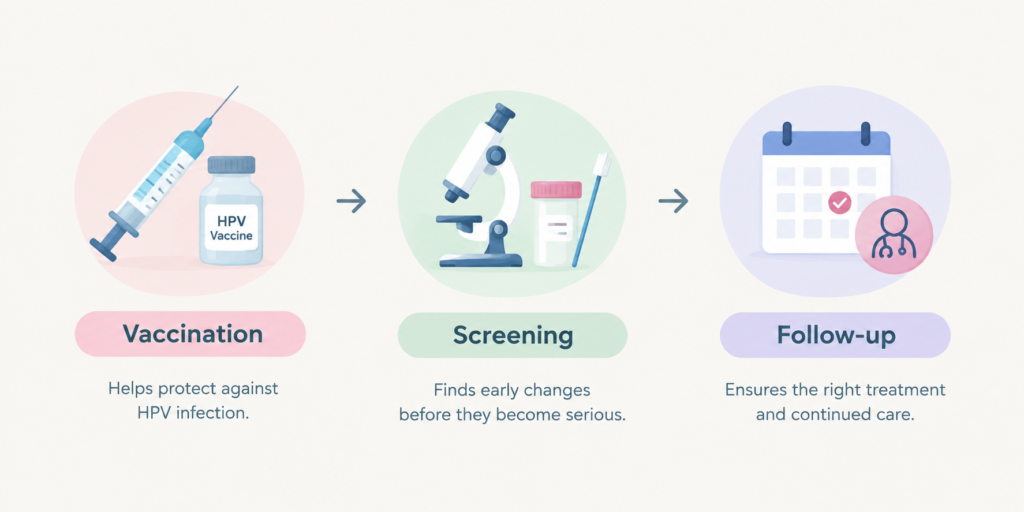
Cervical cancer prevention is based on reducing human papillomavirus (HPV) infections, detecting precancerous changes early and getting proper follow-up treatment. The main task of vaccination is to prevent infections caused by HPV, and regular screening is necessary in every woman’s routine preventive examination.
HPV Vaccination
HPV vaccination can protect against the strains of HPV that are most likely to cause cervical cancer. Parents should ask a qualified specialist about the possibility of HPV vaccination and the vaccination schedule for their children. Considering the child’s age and other individual characteristics, the doctor will recommend a dosage and timing schedule for vaccination.
Regular Cervical Screening
Regular screening is critical to detecting high-risk HPV infections or precancerous cervical lesions. Even if an adult does not have any symptoms, it is necessary to visit a doctor regularly because early-stage cervical cancer usually does not show any symptoms. Although the HPV vaccine offers good protection, it does not protect against all strains of HPV that can cause cancer. Therefore, it is important to continue regular screening tests for cervical cancer even after receiving the HPV vaccine.
Follow-Up After an Abnormal Result
If a cervical cancer screening test has unexpected results, this does not always mean that a woman has cancer. In such cases, a doctor’s consultation is necessary, and the specialist selects further tests.
When Should You See a Gynaecologist?
You should visit a gynaecologist if you have experienced any reproductive health-related symptoms or have questions about cervical cancer. You should also consider making an appointment if:
- You experience unusual vaginal bleeding such as bleeding between menstrual periods, bleeding after sexual intercourse or bleeding after menopause.
- You experience unusual vaginal discharge, such as watery discharge that may be blood-tinged or other abnormal discharge.
- You have an abnormal Pap test or HPV test result.
- You have questions regarding cervical cancer screening or HPV vaccination.
If you are experiencing any symptoms, you should speak with a medical professional instead of waiting for your next routine screening appointment.
Conclusion
The early stages of cervical cancer may remain in the body without showing any major symptoms. Because of that, regular screening helps to confirm the presence of this disease. A clear understanding of possible symptoms can help you to recognise the possible conditions and appropriate treatment to cure or manage the disease or infection.
Concerned about a symptom or unsure which cervical screening or vaccination advice applies to you? Consult Dr Pankhuri Gautam, a gynecologist in Jaipur, for an individual assessment and guidance.
Frequently Asked Questions
1. Can cervical cancer occur without symptoms?
Yes, cervical cancer can develop without showing any specific symptoms. The symptoms may overlap with other infections or inflammation, such as ovarian cysts, UTI, uterine fibroids and endometriosis. This is why it is important to get regular cervical screening done.
2. Does an HPV-positive result mean cervical cancer?
A positive HPV test result indicates that you have high-risk HPV types. But it does not confirm that you have cervical cancer.
3. Do you still need screening after HPV vaccination?
Yes, women who have received the HPV vaccine still need regular screening because the vaccine may not protect against all of the HPV types that can cause cervical cancer.