
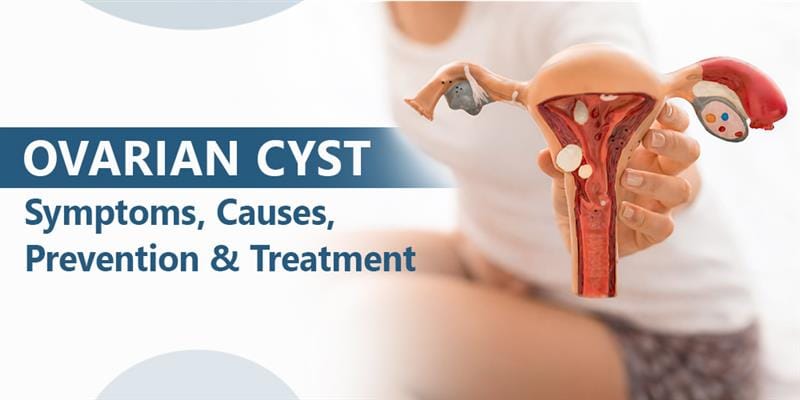
Ovarian Cyst conditions are sacs filled with fluid that form inside or on the surface of an ovary. Pathological cysts, like endometriomas or dermoids, need special medical care, but most cysts are functional and go away on their own. In Jaipur, Ovarian Cyst Treatment has changed a lot. It used to be “wait and watch,” but now it is precision-based laparoscopic surgery that puts preserving the ovaries and future fertility first, making ovarian cyst treatment in Jaipur comparable to the best standards of ovarian cyst treatment India offers.
Clinical Overview: Learning About Ovarian Cysts
Ovarian cysts are common in Rajasthan’s women’s health, and they are often found by accident during ultrasounds for other problems. But it’s very important to tell the difference between a “functional” cyst that doesn’t hurt and one that does, as this distinction guides proper Ovarian Treatment.
Functional cysts are a normal part of the menstrual cycle (follicular or corpus luteum cysts) and usually go away after two or three cycles.
Pathological Cysts: These include Endometriomas (also called “chocolate cysts” because they are linked to endometriosis) and Dermoid cysts (which have tissues like hair or skin inside them). These do not go away on their own and usually require specialized Ovarian Cyst Treatment.
Finding the Warning Signs: Ovarian Symptoms
A lot of women in urban Jaipur think that pelvic pain is normal and that it is caused by a busy life or “gas.” But persistent Ovarian Symptoms should never be ignored, as they may indicate serious complications.
- Pain and discomfort in the pelvis
The most common sign is a dull pain or heaviness in the lower abdomen. If this pain comes on suddenly and sharply, it could mean ovarian torsion (twisting of the ovary), which is a medical emergency.
- Irregular periods
Cysts can throw off the balance of hormones, leading to irregular cycles, spotting, or heavy bleeding.
- Signs of Pressure
Large cysts can press on the bladder or rectum, causing frequent urination or bowel discomfort.
- Dyspareunia
Pain during intercourse is commonly reported, especially with endometriotic cysts.
Biological Triggers: Ovarian Causes
Understanding Ovarian Causes is essential for effective management. Most cases develop due to a combination of factors:
- Hormonal Imbalance: Excess estrogen or fertility medications
- Endometriosis: A major contributor to endometriomas
- Severe Pelvic Infections: Leading to abscess formation
- Lifestyle Factors: Sedentary habits and metabolic disorders, common in urban Jaipur
Proactive Wellness: Ovarian Prevention Strategies
Not all cysts can be avoided, but smart lifestyle choices support Ovarian Prevention and reduce recurrence. Practical ovarian cyst prevention tips include:
- Dietary changes: Anti-inflammatory, high-fiber foods such as millets and cruciferous vegetables
- Weight management: Regular exercise to maintain hormonal balance
- Hormonal contraception: Used selectively to prevent recurrent functional cysts
Jaipur’s Gold Standard for Ovarian Treatment
The goal of modern Ovarian cyst Treatment is symptom relief while protecting ovarian reserve.
Waiting and Watching
FOGSI guidelines recommend observation for simple cysts under 5 cm with follow-up imaging.
Laparoscopic Ovarian Cystectomy
Surgery is recommended when cysts are large, painful, or suspicious. This fertility-sparing approach is the preferred method for ovarian cyst treatment in Jaipur.
- Precision: High-definition visualization preserves healthy ovarian tissue
- Safety: Minimal blood loss, especially critical in anemic patients
Cost and Availability of Ovarian Cyst Treatment India
Patients seeking ovarian cyst treatment India will find Jaipur highly accessible. Laparoscopic cystectomy typically costs between ₹45,000 and ₹85,000 depending on complexity and hospital facilities³, offering excellent value compared to metro cities.
Conclusion: Prioritize Ovarian Health
With early diagnosis and expert care, Ovarian Cyst Treatment is highly effective. Women in Jaipur now have access to advanced, fertility-focused solutions—whether through lifestyle-based Ovarian Prevention or minimally invasive surgery.
If you experience persistent Ovarian Symptoms or irregular cycles, consult a gynecologist specializing in Ovarian Treatment. A personalized plan today can protect your reproductive health for years to come.
FAQ
1. Can ovarian cysts make it hard to get pregnant?
Some kinds, like endometriomas or those caused by PCOS, can affect fertility. But getting rid of them through surgery that improves fertility often brings back the ability to get pregnant naturally.
2. How can I tell if my cyst is cancerous?
Most ovarian cysts are not cancerous. But for postmenopausal women or women with solid parts, blood tests (like CA-125) and special imaging are needed to make sure the cysts are not cancerous.
3. Is it safe to have surgery while pregnant?
Yes. Laparoscopic removal is usually safe if a cyst could twist or break during pregnancy. It should be done in the second trimester at a center with high-risk obstetric support.
4. What foods should I stay away from to keep cysts from forming?
Processed snacks, too much caffeine, and non-organic red meats are some examples of foods that can raise insulin levels or mess with hormones.
5. How long does it take to recover from a laparoscopic cystectomy?
Most patients go home within 24 hours. You can usually go back to light activities in 3 to 5 days and your full routine in 2 weeks, instead of 6 weeks for open surgery.