
When dealing with a women’s health operation, folks usually wonder: Laparoscopy vs. Traditional Surgery: Which Is Better? In Jaipur, new healthcare tech has pushed doctors to go for less invasive methods. Picking the correct method, like laparoscopic gynecology surgery for female issues, affects how fast you heal, how much it hurts, and also what happens to your body later on.
Executive Summary: The Modern Standard of Surgical Care
Laparoscopy is better for most women than traditional surgery because it is less invasive. Laparoscopy uses “keyhole” cuts (0.5–1 cm) instead of the 6–8 inch cuts needed for traditional open surgery. This means less damage to the tissue. Patients usually take 2 to 4 weeks to recover, while open surgery takes 6 to 8 weeks. When you see the best laparoscopic surgeon in Jaipur, you can be sure that they will treat complicated conditions like fibroids or endometriosis with the most accuracy and the least amount of downtime.
What is Laparoscopic Gynecology Surgery?
Laparoscopic gynecology surgery, also known as “keyhole surgery,” uses a laparoscope, which is a thin tube with a high-definition camera and light source. This lets the surgeon see the pelvic organs on a monitor in real time without having to make a big cut in the abdomen.
Dr. Pankhuri Gautam is one of the doctors in Jaipur who uses laparoscopy hysteroscopy surgery a lot. Laparoscopy lets the surgeon see the outside of the organs (the uterus, ovaries, and tubes), while hysteroscopy lets the surgeon see the inside of the uterine cavity. This two-step method is the best way to find and treat infertility, abnormal bleeding, and structural problems.
Laparoscopy vs Open Surgery: A Clinical Comparison
Understanding the technical differences between these two methods is essential for making an informed decision about your health.
| Feature | Laparoscopy (Minimally Invasive) | Traditional Open Surgery |
| Incision Size | 0.5 cm to 1 cm (Keyhole) | 6 to 8 inches |
| Hospital Stay | 24 to 48 hours | 4 to 6 days |
| Pain Levels | Minimal to Moderate | Significant (Requires strong analgesics) |
| Blood Loss | Minimal | Moderate to High |
| Recovery Time | 2 to 4 weeks | 6 to 8 weeks |
| Scarring | Tiny, nearly invisible over time | Large, permanent visible scar |
| Infection Risk | Low (Less tissue exposure) | Higher |
Specialized Procedures: Hysterectomy and Myomectomy
1. Laparoscopic Hysterectomy
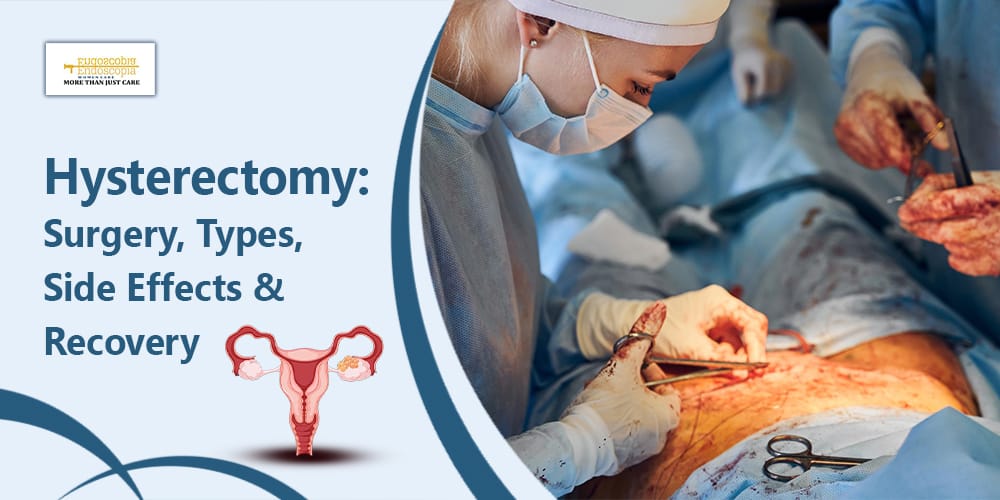
A laparoscopic hysterectomy (removal of the uterus) is often the preferred solution for chronic pelvic pain, severe endometriosis, or large fibroids that do not respond to medical management. This procedure offers a permanent solution with much quicker and less painful recovery than the traditional abdominal route.
2. Laparoscopic Myomectomy (Fibroid Removal)
A laparoscopic myomectomy lets the surgeon take out fibroids without damaging the uterus, which is good for women who want to keep their fertility. Using these minimally invasive methods, experts like Dr. Pankhuri Gautam have been able to remove fibroids that weigh up to 2.5 kg. This shows that even large masses can often be treated without open surgery.
Laparoscopy Surgery Cost in Jaipur and India
The laparoscopy surgery cost matters a lot to most households. Although tools are modern, the total expense usually makes more sense because patients spend less time in the hospital or off the job.
- General Range: The laparoscopy surgery cost in Jaipur ranges from ₹40,000 to ₹1,20,000, depending on how complicated the case is and what the hospital has to offer.
- Hysterectomy Specifics: The laparoscopic hysterectomy cost in Jaipur starts at about ₹55,000, with an average price of ₹92,500 and a high price of about ₹1,30,000.
- National Context: The laparoscopic surgery cost in India is still very competitive with other countries, drawing patients who want care that is up to par with what they would get in the West but at a much lower price.
Why Choose a Laparoscopic Surgeon in Jaipur?
Jaipur has become a center of excellence for gynecology. Patients should look for a laparoscopic surgeon in Jaipur who has a lot of experience and advanced certifications.
Recovery and Aftercare: What to Expect
Most of the time, laparoscopic surgery recovery goes well, but it’s important to follow certain rules for internal healing.
- Most patients are sent home within the first 24 to 48 hours. The carbon dioxide gas used during surgery may cause “referred pain” in your shoulder or back. This is normal and will go away in 48 hours.
- Activity: You can usually start walking lightly again the day after surgery. This keeps blood flowing and stops blood clots from forming.
- Taking care of wounds: Dissolvable stitches or surgical glue are usually used to close the small cuts. Keeping the area clean and dry is very important.
- Going back to work: Most women go back to light desk work within a week and full activity within 3–4 weeks.
Conclusion: Take Control of Your Health Journey
There is no doubt that when it comes to Laparoscopy vs Traditional Surgery, laparoscopic surgery wins. Women in Jaipur can now get advanced laparoscopic gynecology surgery, which means they don’t have to spend months recovering from chronic pain, infertility, or structural problems.
If you want a permanent fix for your gynecological problems, make sure to see a specialist who offers personalized, evidence-based care. Dr. Pankhuri Gautam is available to her patients 24 hours a day, 7 days a week, by phone and text. This means you will have support from your first appointment until you are fully healed.
Are you ready to put your health first? Make an appointment for a consultation with a trusted expert in Jaipur today.
Ready to prioritize your health? Book your consultation with a trusted expert in Jaipur today.
Frequently Asked Questions (FAQ)
1. Is laparoscopic surgery safe?
Yes. It is one of the safest surgical options available when done by a skilled laparoscopic surgeon in Jaipur in a well-equipped facility with a Level III NICU and 24/7 anesthesia support.
2. Can all fibroids be removed via laparoscopy?
Laparoscopically, most fibroids can be taken out. A skilled surgeon can break down (morcellate) and remove even very large or many fibroids through small cuts.
3. Will I go into early menopause after a laparoscopic hysterectomy?
No, provided your ovaries are not removed. If the ovaries are preserved, they will continue to function normally, and you will reach menopause at the natural age.
4. What is the success rate of fertility-enhancing laparoscopy?
For women with PCOS who do not respond to medication, procedures like Laparoscopic Ovarian Drilling (LOD) can help approximately 50% of patients achieve pregnancy.