

What is endometriosis? Endometriosis is a chronic condition wherein tissue similar to the uterine lining grows outside the uterus, causing painful symptoms and infertility. Early endometriosis diagnosis is very important for effective endometriosis treatment in Jaipur. This condition affects approximately 42 million women in India, and due to culturally normalised pain, its diagnosis gets delayed by almost 10 years.
Understanding the “Missed Disease”: What is Endometriosis?
First, to understand what endometriosis is, one must look at a healthy menstrual cycle. Every month, the lining of your uterus-the endometrium-thickens in preparation for a pregnancy that may not happen. If pregnancy does not take place, the lining breaks down and exits the body as a period.
In women with endometriosis, tissue just like this lining grows in places it doesn’t belong-most commonly on the ovaries, fallopian tubes, and the tissue lining the pelvis called the peritoneum.
The Internal Cycle of Pain
The problem is that this “lost” tissue has no means of exiting the body. It reacts to your hormonal signals every month, thickening and bleeding inside. This causes:
Inflammation: Chronic swelling and irritation of pelvic organs.
Adhesions: “Internal glue” or scar tissue that can bind organs together, such as the ovaries sticking to the uterus.
Endometriomas: Also called “chocolate cysts,” these are fluid-filled sacs on the ovaries, which may cause damage to the healthy ovarian tissue.
Recognizing the Warning Signs: Symptoms of Endometriosis
The general mindset in the Indian context is that “periods are supposed to be painful.” This cultural belief acts as a big deterrent to care. Although mild cramping is common, symptoms of endometriosis are much more severe and disruptive.
1. Progressive Dysmenorrhea (Painful Periods)
This is the most common of all symptoms of endometriosis. Unlike normal cramps that may fade away with a heating pad, this pain often starts days before the period begins and continues throughout the flow. It is often described as “torturous” and does not respond well to standard over-the-counter painkillers.
2. Deep Pelvic Pain and Dyspareunia
Sharp pain during or following sexual intercourse is experienced by many women. It is a major clinical marker for DIE, a condition where the lesions are deep in the pelvic ligaments.
3. Gastrointestinal and Bladder Problems
As the tissue can grow near the bowels or bladder, you may notice:
- Painful bowel movements during your period.
- Diarrhea or constipation that occurs only during menstruation.
- Painful urination or having to go many times.
4. Chronic Fatigue and the “Anemia Link”
The 54.4% of women suffering from anemia in Rajasthan, coupled with heavy bleeding due to endometriosis, can cause extreme exhaustion. This “endometriosis fatigue” is often more than being tired; this is systemic “brain fog” generated because of the body perpetually fighting the inner inflammation.
Biological and Lifestyle Triggers: Endometriosis Causes
Patients often wonder, what causes endometriosis? While there isn’t a single cause, current research identifies several converging causes of endometriosis:
- Hormonal Imbalance (Estrogen Dominance): Endometriosis is an estrogen-dependent disease. High levels of estrogen drive the growth and inflammation of the misplaced tissue.
- Genetic factors: You are 7 to 10 times more likely to develop the condition if your mother or sister has already been diagnosed.
- Retrograde Menstruation: Blood containing endometrial cells due to menstruation flows back into the pelvic cavity through the fallopian tubes instead of being expelled outside.
- The “Couch Potato Syndrome”: Sedentary lifestyles coupled with high-caloric diets result in earlier menarche and higher body fat in urban areas like Jaipur. There is more fat or adipose tissue, which is a major source of extra estrogen, thereby increasing the severity of the disease.
The Path to Recovery: Endometriosis Diagnosis
Most often, a routine physical examination or even a routine ultrasound cannot establish a final diagnosis of endometriosis. Many women are given a clean bill of health while continuing to suffer.
1. High-Resolution Imaging
A specialist in endometriosis here in Jaipur will usually begin with either a transvaginal ultrasound or a dedicated pelvic MRI. Both can detect “chocolate cysts,” but often miss smaller, superficial lesions.
2. The Gold Standard: Diagnostic Laparoscopy
The disease can only be 100% confirmed by a minor surgical procedure. A small, high-definition camera is inserted through an incision of 0.5 cm (near the belly button) to visually allow the surgeon to see the lesions directly.
Comparing Endometriosis Treatments: Medical vs. Surgical
By the end of 2025, treatments for endometriosis had become extremely individualized. It all depends on age, pain, and childbearing wishes.
1. Medical management
This approach focuses on suppressing symptoms:
Hormonal Therapies: Birth control pills or progestins can thin the uterine lining to decrease bleeding.
GnRH agonists: These are drugs that can put the body into pseudo-menopause, thus shrinking lesions. However, this treatment usually is short-term because of side effects.
2. Surgical Intervention: The Excision Advantage
Surgery is indicated for pain that persists or when fertility is desired. The technique of surgery becomes the most significant factor in your road to recovery.
Ablation
Traditional surgery often incorporates “ablation,” where the surgeon burns the surface of the lesions. Similar to mowing a weed in a garden, the surface looks clear, but the roots remain. This leads to a recurrence rate of 40-60% within two years.
Laparoscopic Excision
The modern benchmark is surgical laparoscopic excision of endometriosis. This involves the precise cutting out of the diseased tissue at its base. It is technically demanding but has the lowest recurrence rates-around 15%-and best long-term pain relief.
| Feature | Medical Management | Laparoscopic Excision |
| Objective | Symptom suppression | Disease removal |
| Recurrence Risk | High (once stopped) | Low (approx. 15%) |
| Fertility Impact | May delay conception | Improves pregnancy rates |
| Recovery Time | N/A | 2–4 Weeks |
Endometriosis Treatment in Jaipur: Why Technology Matters
Choosing the right facility for your treatment of endometriosis in Jaipur ensures access to care with international standards.
- 3D/HD Laparoscopy: Sophisticated camera systems enable your endometriosis specialist in Jaipur to visualize small lesions that are not visible to the naked eye.
- Level III NICU: When women undergo surgery to improve their fertility, having a facility with a high-end Neonatal Intensive Care Unit ensures a safe environment for the eventual pregnancy.
- Multidisciplinary Support: The finest clinics incorporate nutritional counseling and pain management into the surgical roadmap.
Integrating an Anti-Inflammatory Indian Diet
While surgery removes the lesions, the management of the “inflammatory environment” itself is important for long-term health. Lifestyle modifications form a significant pillar of chronic disease management according to FOGSI.
- Turmeric/Curcumin: A strong natural anti-inflammatory used in many Indian dishes to help reduce swelling of the pelvis.
- Fiber-Rich Millets: Jowar or bajra helps the body metabolize excess estrogen and excrete it.
- Omega-3 Sources: Walnuts and flaxseeds are extremely good for calming systemic inflammation.
Conclusion: Taking Control of Your Quality of Life
Living with endometriosis is complicated; it’s a journey that you do not have to walk in silence. You can avoid years of unnecessary suffering by knowing the causes of endometriosis and early signs.
If you are experiencing the red flags discussed, especially “torturous” period pain or difficulty conceiving it is time to seek a consultation with a globally trained endometriosis specialist in Jaipur. Availing precision-based care in Nirman Nagar or Vaishali Nagar ensures that your treatment plan comes guaranteed with the latest clinical research and much clinical emphasis on safety.
FAQ
1. Is endometriosis a type of cancer?
No, endometriosis is a benign condition, meaning that it is non-cancerous. It is, however, a “progressive” disease in that if left untreated, it may worsen over time and cause substantial damage to the reproductive organs.
2. Can I get pregnant naturally with endometriosis?
Yes, many women do. But up to 50% of women with infertility have endometriosis. Surgical excision of lesions often more than doubles the chances of natural pregnancy within the first year.
3. How long is the recovery following laparoscopic surgery?
As endometriosis surgery laparoscopic uses “keyhole” incisions, most patients are discharged within 24-48 hours. Light activities can usually be resumed in 1 week and full strength in 3 to 4 weeks.
4. Why does it take so long for diagnosis in India?
The main reasons are the normalization of period pain and lack of awareness that such severe pain is a medical concern. Most women reach out only after marriage when they have difficulty conceiving.
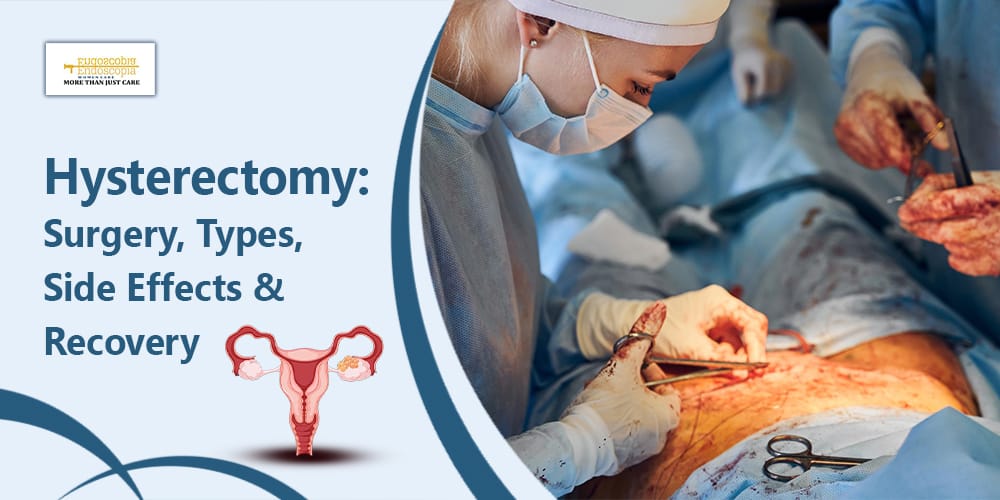
5. Does a hysterectomy cure endometriosis?
Hysterectomy that is removal of the uterus is not certain to cure the disease if endometriotic lesions remain on the ovaries or pelvic lining. The aim of modern treatment is the excision of specific lesions while preserving the uterus whenever possible.