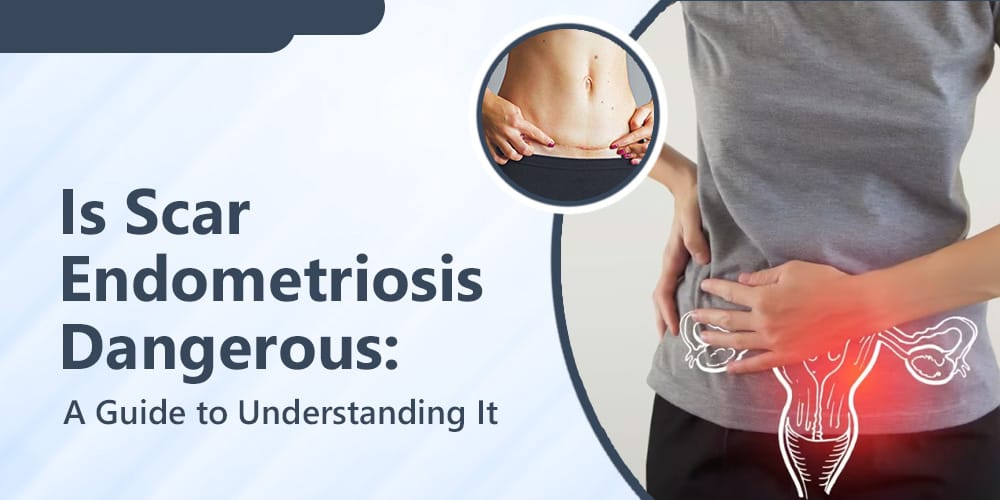

Discovering a new lump on the body can be a terrifying sensation. If that lump happens to show up on the very site of a surgical incision, it can be all the more baffling. This lump could be scar endometriosis and a gynecologist can help you with diagnosis. One of the first things that comes to mind is often the query, “Is Scar Endometriosis dangerous?” Though the name does sound threatening, the more one learns of it, the better one can reach an educated conclusion regarding one’s health.
What is Endometriosis?
In order to learn about scar endometriosis, it is necessary to get an overview of the condition itself. Endometrium is a tissue that lines the uterus. Endometriosis is a relatively common disease where endometrial tissue grows outside the uterus. This tissue may attach itself to organs such as the ovaries, fallopian tubes, and the inside of the pelvis.
This errant tissue behaves exactly like the uterine lining. It becomes thickened, it breaks down, and it bleeds at the time of the menstrual cycle. Because the blood has nowhere to exit the body, it creates inflammation, pain, and scarring. Endometriosis can be the primary source of chronic pelvic pain and infertility for millions of women globally. You can learn more here on the page dedicated to the common female gynecological issues.
What is Scar Endometriosis?
Scar endometriosis is one type of endometriosis that is rare and unique. It occurs when endometrial tissue has been formed inside of a surgical scar. Also referred to as cutaneous endometriosis because it occurs inside of the skin and the supporting tissues. It can develop inside of any surgical scar, but it is typically discovered inside of scars on women who have had surgery on the uterus, such as a C-section procedure or a hysterectomy procedure.
Low prevalence has been reported, with research showing it occurs in just between 0.03% to 1.5% of women who have had these procedures. Low prevalence means that some doctors might not encounter it frequently, which may result in delayed diagnosis.
The Big Question: Is Scar Endometriosis Dangerous?
This is the crucial question for anyone who has it. The short answer is that scar endometriosis is not a fatal disease. It is not cancer, and it is not usually spread to other organs. But referring to it as “not dangerous” is not the best thing to do either. Though it might not be fatal, it can seriously impact the quality of life. It can be very painful and quite uncomfortable with the lump. The ongoing pain and fear can cause one to be stressed out, worried, and helpless. Thus, it is a bad thing to do to leave it alone.
In very rare instances, malignant transformation can occur, meaning the cells of the endometrium may become malignant or cancerous. Chances of malignancy are very low; however, it is one more reason to get the condition properly checked out and treated. The foremost and chief hazard of the condition is the excruciating pain it can cause and the influence it can have on your day-to-day activity. Early intervention is the answer to balancing the condition and avoiding it becoming a long-term issue.
Common Scar Endometriosis Symptoms to Watch For
Being aware of the symptoms is the initial step to accessing the right scar endometriosis treatment. The scar endometriosis symptoms that appear most often include:
- A Painful Lump: You will feel a firm lump or nodule right in your surgical scar. It can range in size from very small to several centimeters.
- Cyclical Pain: This is the most informative symptom. The swelling and the pain occurring on the lump worsen just prior to and during the time of periods. This occurs since the endometrial tissue of the scar is responsive to the changes brought on by hormones, just like the tissue located inside the uterus. This monthly symptom of pain can be a very obvious indication.
- Discomfort on Touching: The lump is usually painful or tender if pressure is applied on it.
- Change in Appearance: The skin of the lump may get discoloration, occasionally dark or bluish in color. The lump may also bleed intermittently during the period.
Scar Endometriosis Symptoms can be mistaken with some other conditions, such as a plain scar infection or fluid accumulation, but the fact that the pain recurs on a daily basis makes the scar endometriosis distinctive.
What are Scar Endometriosis Causes?
The primary scarring that is connected with endometriosis is the surgery itself. In the course of having a hysterectomy or a C-section, small fragments of the endometrial tissue can be dislodged and mistakenly carried to the surgical area. As the incision area closes, the errant cells can be left imbedded inside scarring tissue. These cells have a new residence and begin to reproduce.
The condition can also occur following other abdominal operations, although much more rarely. The primary mechanism is the transplantation of the endometrial cells directly from the uterus into the surgical incision. It is a rare event but has been identified as a risk of these surgeries.
Getting a Clear Diagnosis
In case you notice some suspicious lump on the scar, the very first thing that should be done is consulting a specialist. A gynecologist who has some experience with it or just a surgeon can provide the right diagnosis. The diagnosis process usually contains some simple steps:
Physical Examination: The doctor will examine the lump by palpation to assess the size, hardness, and soreness of the lump.
Imaging Studies: An ultrasound is usually the first test ordered. It will often demonstrate the size and makeup of the lump. Occasionally, a more detailed MRI test is ordered to determine how far down the lesion has extended into the surrounding tissue.
Biopsy: A biopsy is usually necessary to confirm the condition definitively. The physician will remove a sample of tissue smaller than the size of the lump and send it to the laboratory. It will be studied by a pathologist under the microscope to confirm the presence of endometrial tissue.
This diagnosis procedure is paramount. It eliminates the other conditions that may be more severe and makes sure that you receive appropriate care.
Options for Scar Endometriosis Treatment
The single best option for scar endometriosis treatment is surgery. The aim is to excise the lump completely along with the minimal surrounding healthy tissue area. It is very important to do so since remaining with few endometrial cells can result in the disease recurring. A surgical expert specializing in excision surgery can remove the entire lesion.
Although surgery is the main therapy, doctors can also use something else, like hormonal therapy. Hormonal therapy, like birth control pills or GnRH agonists, can reduce the size of the endometrial tissue. It doesn’t cure it, though. The lump will typically come back once the therapy has stopped. Hormonal therapy is typically used if surgery isn’t possible or like a temporary therapy to ease the symptoms.
For a patient, the prospect of another surgery can be intimidating. But a single, proper surgery gives a definitive, permanent answer to the pain and inconvenience. It is the gold standard, after all. Learn more on this page about advanced surgical techniques and laparoscopic surgery.
Making an Informed Decision
Consulting with a gynecologist with expertise on scar endometriosis always helps. Your gynecologist will be able to quickly and confidently identify and operate on the disease.
Note down the symptoms; it always comes in handy, as the more you can tell about the symptoms, the better the chances of a definitive diagnosis. Don’t hesitate to clarify the diagnosis and the therapy that has been prescribed.
Frequently Asked Questions (FAQs)
Q1: How does a physician differentiate the lump being scar endometriosis from something else?
A: The most important clue is the recurring pain. If the lump grows and hurts more during the period of menses, the physician will have a strong suspicion of scar endometriosis. A confirmatory test is biopsy showing the presence of endometrial cells in the tissue.
Q2: Will the lump go away on its own?
A: No, the scar endometriosis will not resolve on its own. You have endometrial tissue that is incarcerated and will respond to the cycle hormones. You will need to be treated to have the lump removed and the pain eliminated.
Q3: Can it affect my fertility?
A: The condition of scar endometriosis does not itself cause infertility. But if you also have the condition of endometriosis within the pelvis, it can cause infertility. You can be helped to differentiate between the two by a specialist.
Q4: Does it hurt during the surgery? How does the recovery go?
A: You will be anaesthetized at the time of the surgery, so it will not hurt at all. You will be uncomfortable after the surgery, but it will usually be much less than the surgery pain that caused the blood clots. It doesn’t take long to recover from it, and normal activity can usually be returned to within a few weeks. In the long term, the surgery will reduce the pain that has been occurring.
Q5: Is it possible for scar endometriosis to come back?
A: There is very little likelihood that the condition will recur if any of the endometrial cells were inadvertently left inside the abdomen during surgery. That is why it is so important to choose a gynecology surgeon who has experience with the removal of these lesions with a margin that is clear of the lesion. Once the surgery is completed, the recurrence risk isn’t high.
Conclusion
Finding a lump within the surgical scar can be a cause for concern. While fear of the unknown comes naturally, being diagnosed with scar endometriosis is a problem that has a clear-cut and effective solution. While not a lethal disease, scar endometriosis may be highly symptomatic and should not be ignored. Listening to one’s body, speaking with an expert, and receiving treatment for scar endometriosis can lead to long-term relief.